


Agroforestry Revitalization in the Upper Citarum: KPS Mencil Lestari’s Efforts Toward Ecological and Economic Resilience 2030
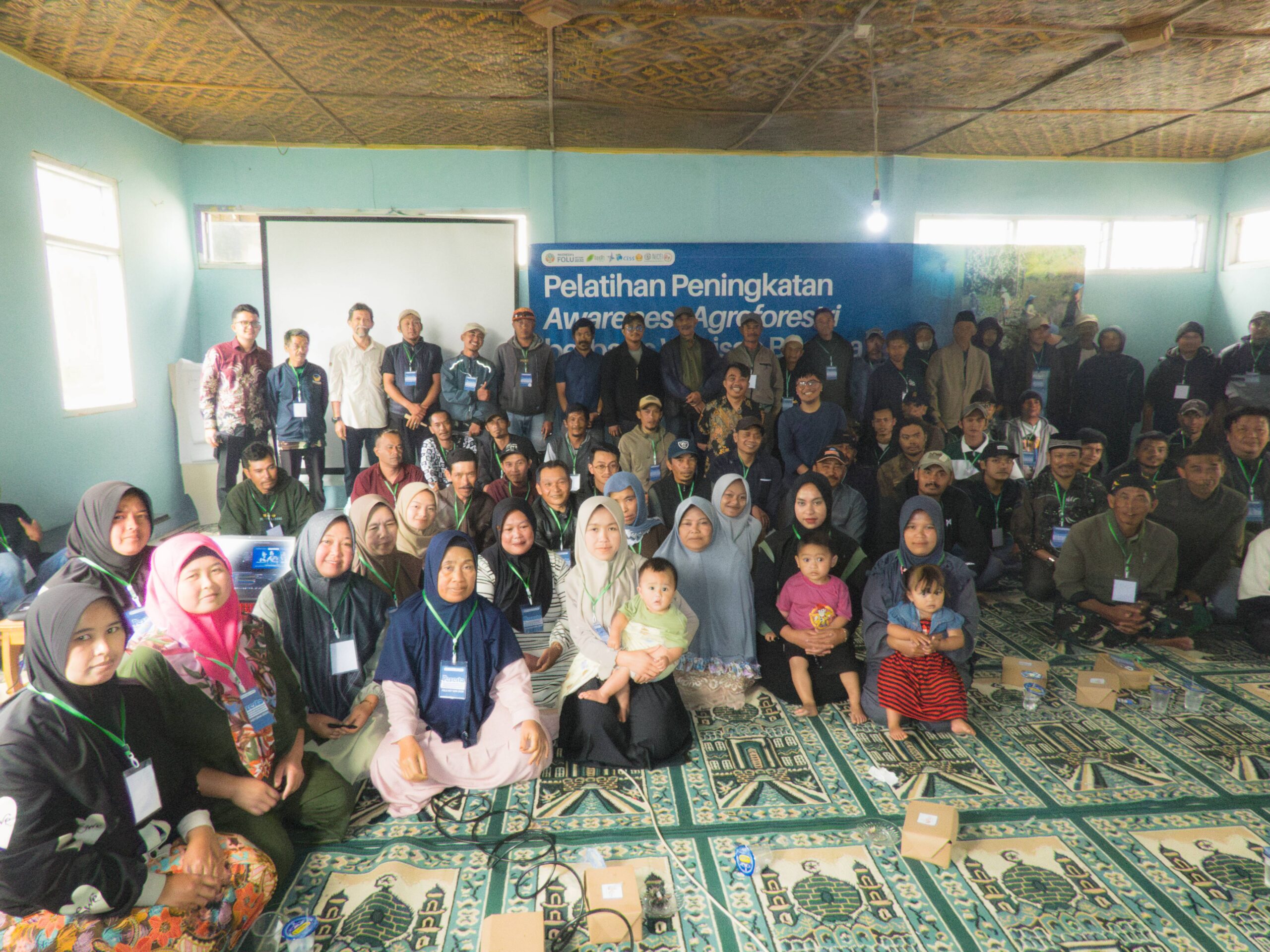
The Government of Indonesia has set an ambitious target through the Indonesia’s FOLU Net Sink 2030 commitment, where the forestry and other land use sectors are expected to become a net carbon sink by 2030. As part of the implementation of this national strategy at the site level, KPS Mencil Lestari in Cihawuk Village, Kertasari District, Bandung Regency, has taken a strategic role through the “Cultural Heritage-Based Agroforestry Awareness Raising Training”. The location of Cihawuk Village was chosen for a specific reason; based on an overlay analysis (overlay) of social forestry permits, forest and land rehabilitation (RHL) plans, and critical land classifications, this region is a priority intervention area requiring immediate ecological recovery through the active involvement of the local community. This revitalization is positioned not merely as a technical tree-planting effort, but as a key strategy to maintain the hydrological and ecological functions of the forest while strengthening the cultural identity and economic participation of the community in the upper Citarum. 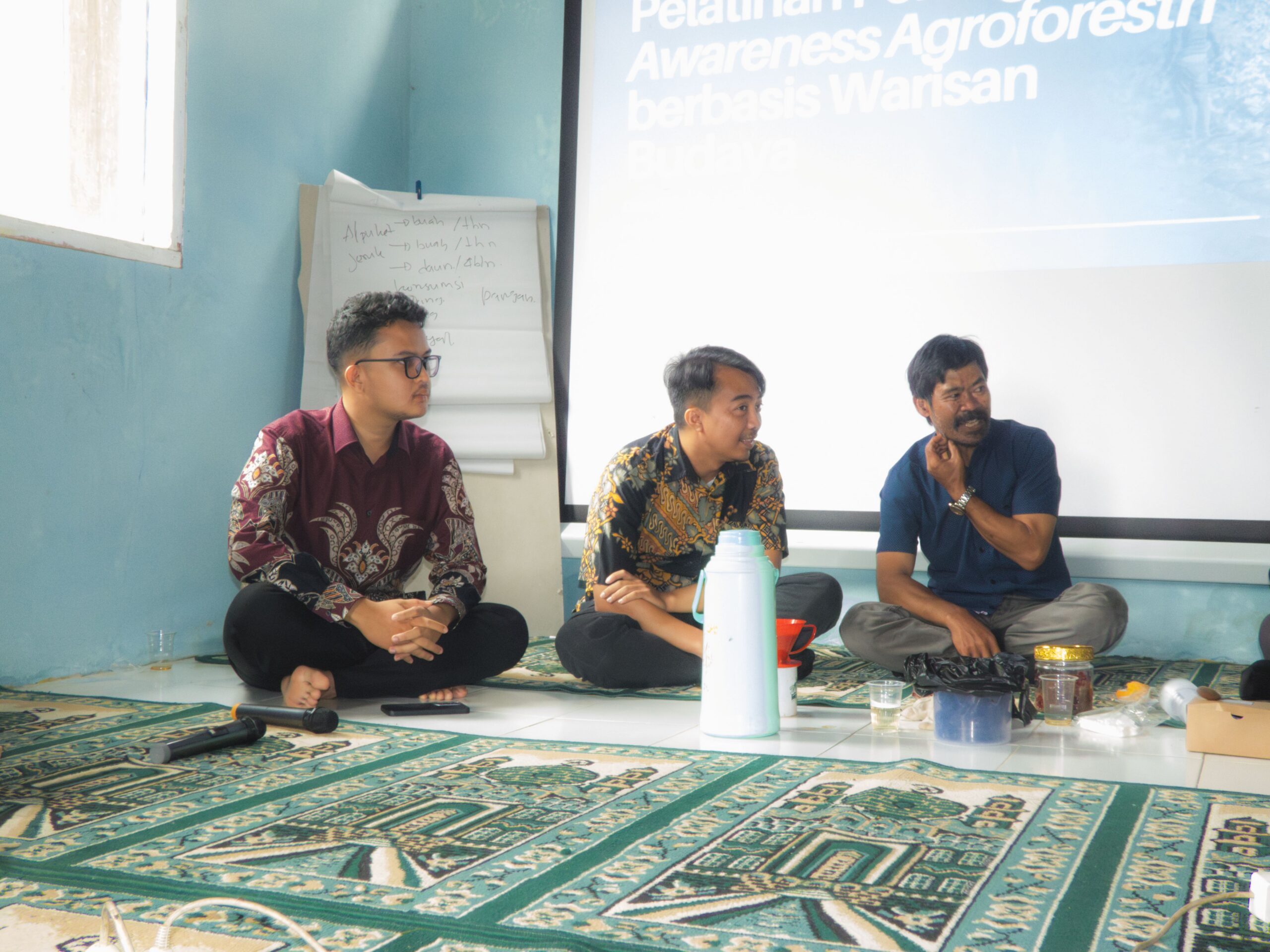
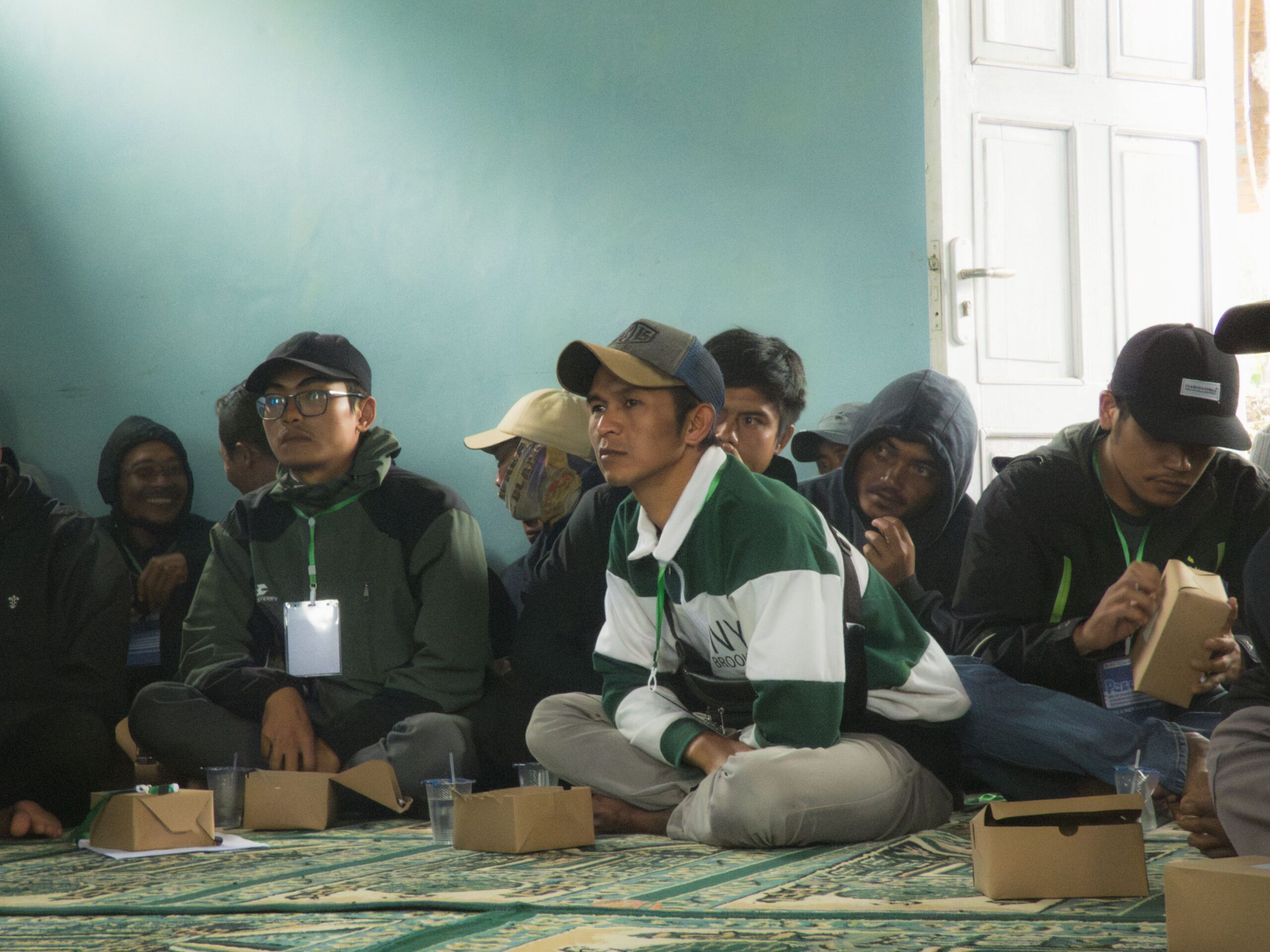
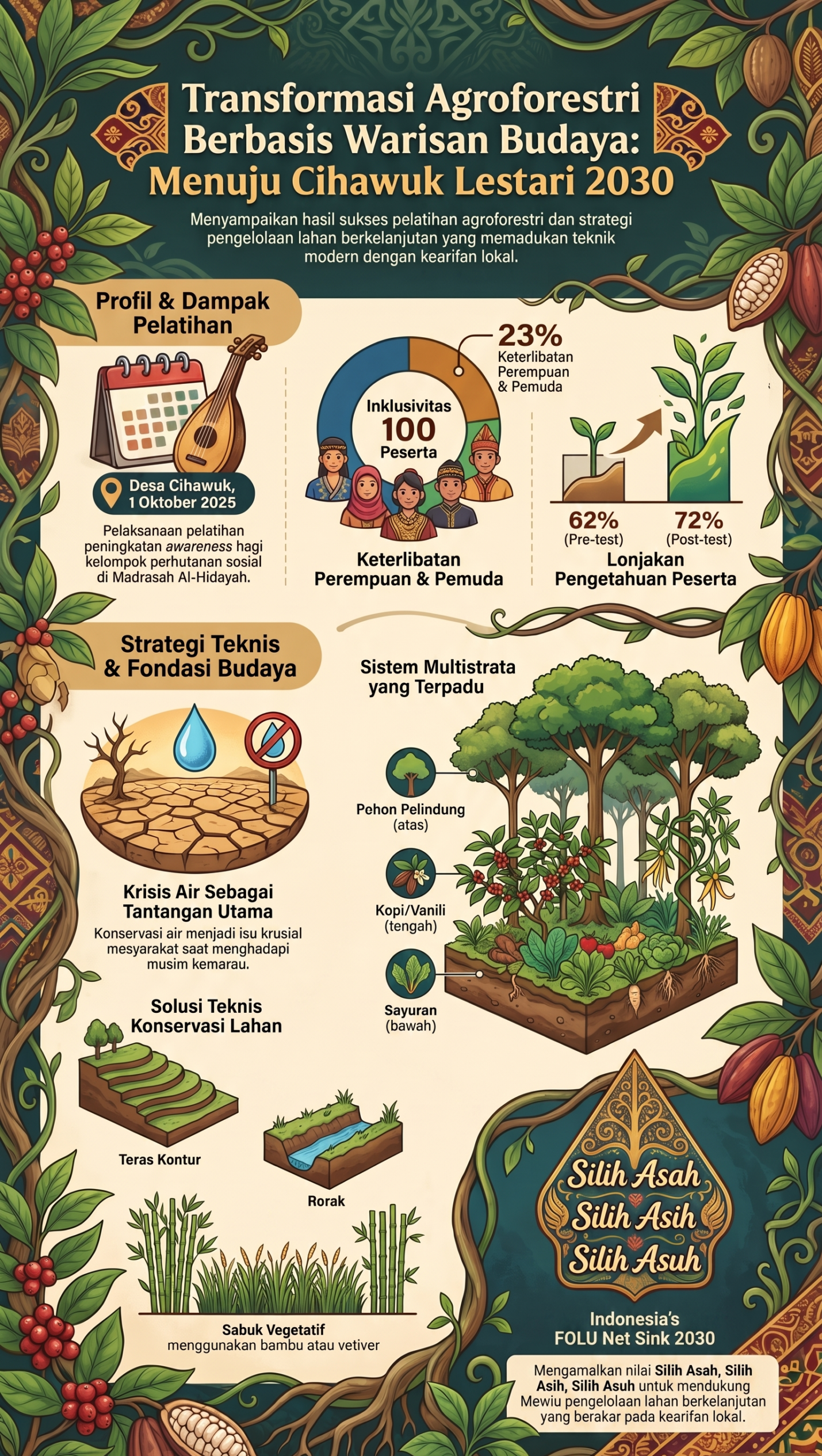
The training, which took place on Wednesday, October 1, 2025, at Madrasah Al-Hidayah, Kampung Pinggirsari, served as a crucial initial milestone for the residents of Cihawuk Village. The event was attended by 100 participants representing various community elements, ranging from members of social forestry groups to influential community leaders. One prominent aspect of this implementation was the commitment to inclusivity and gender equality; reports noted that the attendance of women and youth reached 23%, a figure that exceeded the established representation targets. Through the presence of these elements, messages regarding the importance of sustainable agriculture can be disseminated more broadly across various layers of the village’s social structure, ensuring that land transformation is not dominated by a single age group or gender.
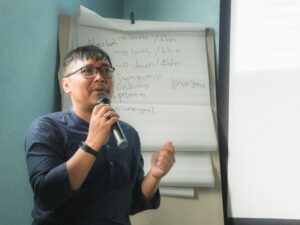 Methodologically, this training utilized an interactive approach combining theoretical presentations, group discussions, and direct reflection on field conditions. The event structure was designed with a one-group pretest-posttest system to measure the effectiveness of knowledge transfer provided by experts. Three main speakers provided complementary perspectives: Fakhrur Rozi, S.Si., M.Si. discussed climate change adaptation and mitigation strategies through agroforestry systems; Firman Santosa, S. Farm., MM.Kes. from AP2SI socialized the benefits of the revitalization program; and Dr. Gemilang Lara Utama, S.Pt., M.I.L. delved into the institutional role of LPHD/KTH in achieving the FOLU Net Sink 2030 targets. This series of materials was designed as cognitive scaffolding, where new information regarding national policies was directly linked to traditional practices that have long resided in the long-term memory of the Cihawuk community.
The core of the training material was the reintroduction of the multistrata agroforestry system, a layered land-use method that mimics the natural structure of a forest to maximize ecological and economic benefits. In this design, the land is divided into three vertical layers: the upper layer is filled with shade trees and MPTS (Multi-Purpose Tree Species) such as dammar, avocado, and bamboo; the middle layer is utilized for high-value commodities such as coffee and vanilla; while the lower layer can still be used for vegetable crops and ground cover. This system offers a far more sustainable alternative compared to the intensive vegetable monoculture farming practiced by many so far, which tends to rely heavily on non-organic chemical inputs and is prone to triggering land degradation and erosion. With multistrata agroforestry, farmers not only earn income from vegetables but also have long-term savings from timber and fruit, while naturally maintaining soil fertility. 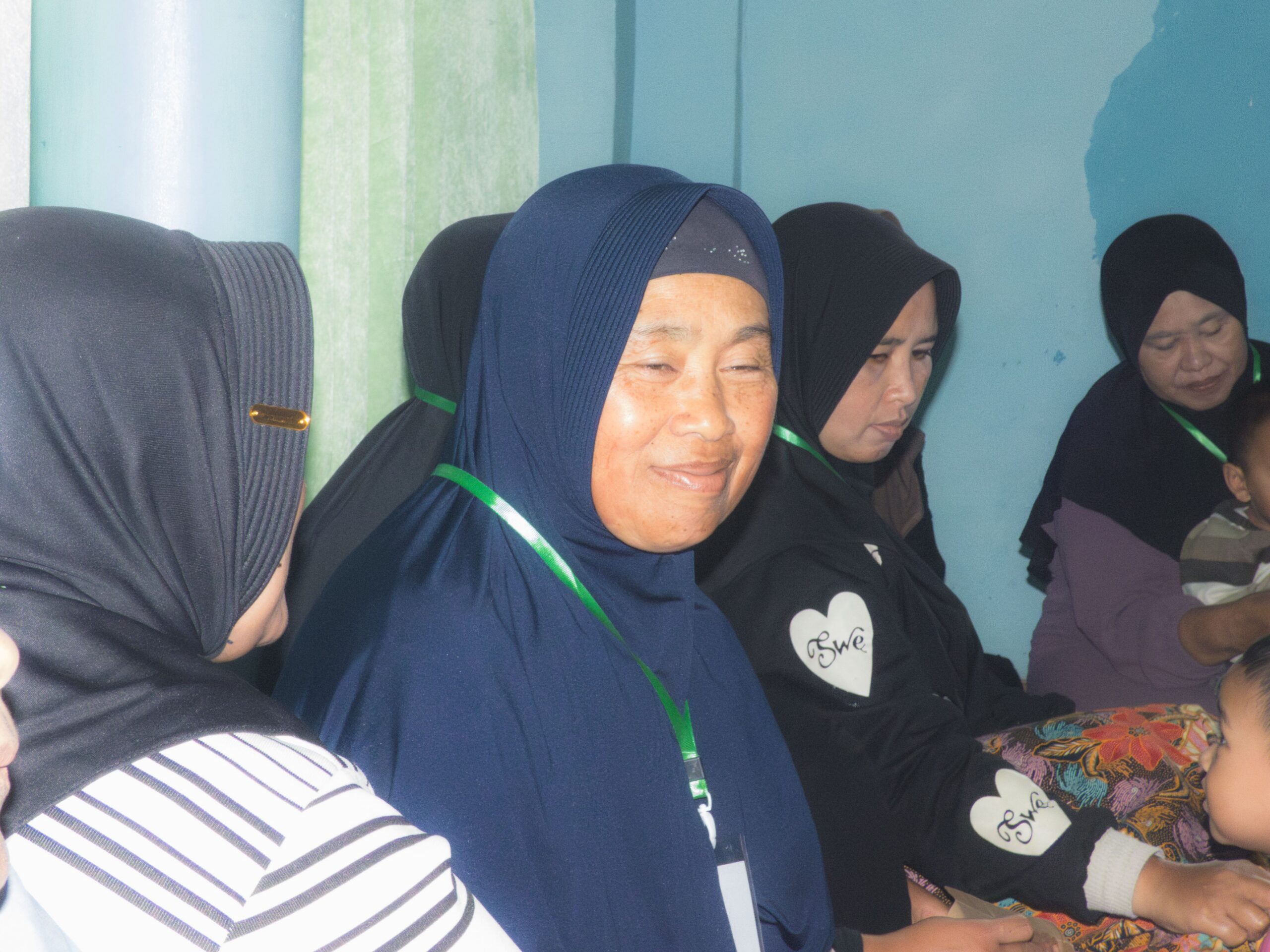
Evaluation results showed very positive progress in the participants’ cognitive capacity. Before the training began, pre-test results indicated that approximately 62% of participants already possessed a basic understanding of agroforestry, primarily due to the active role of the KPS chairperson in initiating the planting of non-timber forest products (NTFPs) in the area. After the intensive half-day training, this figure increased to 72%, representing an increase of 10 percentage points. This improvement reflects the participants’ success in distinguishing deeper ecological functions, such as how multistrata systems assist in erosion control, increase soil organic matter content, and create a cooler microclimate that supports the productivity of main crops. This declarative knowledge is now embedded, signaling that the Cihawuk community is ready to move from the understanding stage to the field application stage. 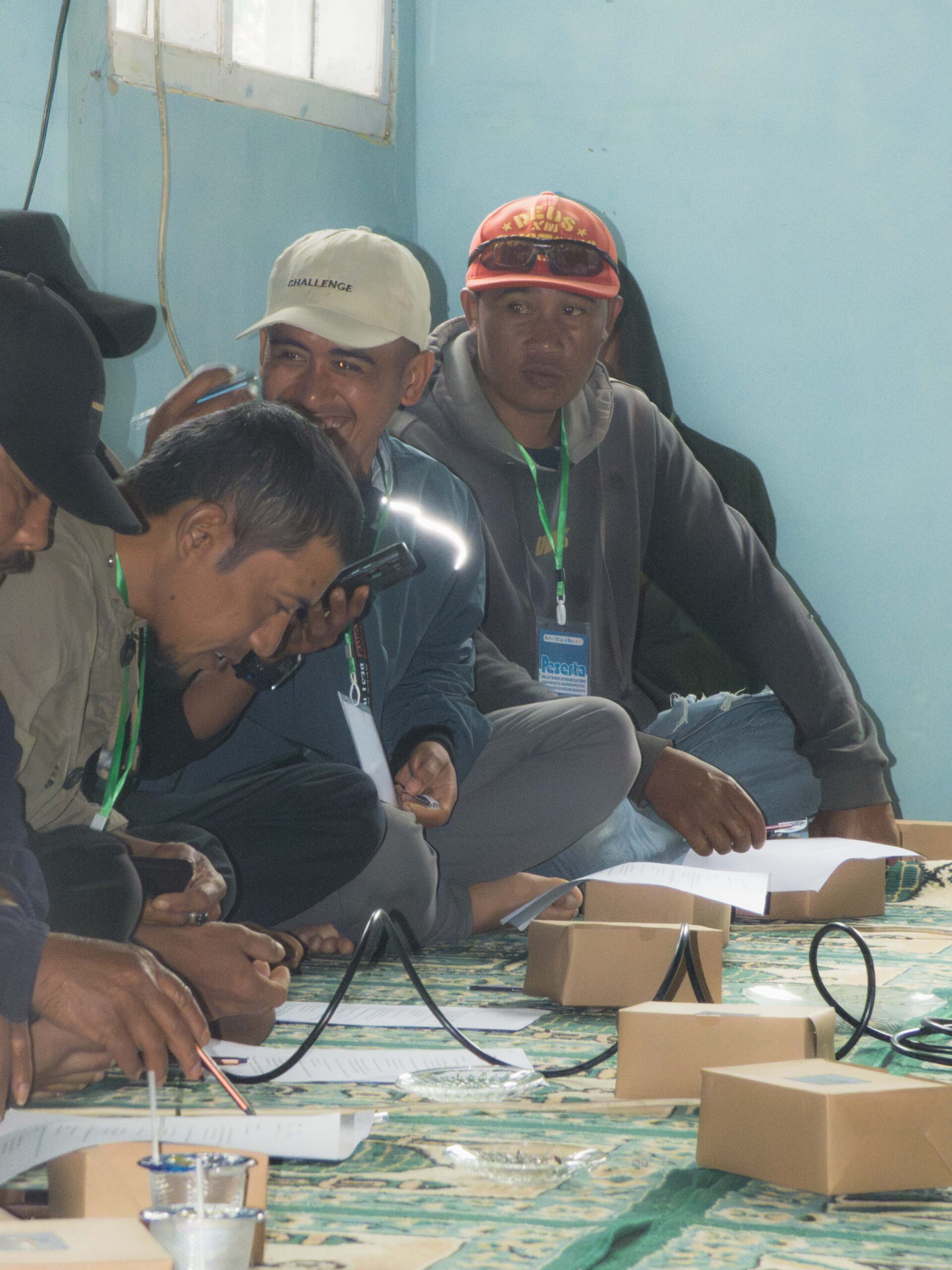
Beyond the knowledge aspect, this report emphasizes the strengthening of the community’s motivation and social commitment to managing land wisely. One crucial issue raised was the water problem, where residents of Cihawuk Village often face difficulties in water distribution for irrigation and daily needs, especially during the dry season. The training provided concrete solutions by demonstrating that simple agroforestry techniques—such as creating contour terraces, silt pits (rorak) or infiltration wells, and vegetative belts using bamboo or vetiver—can significantly improve the soil’s rainwater absorption capacity. More than just a technical solution, this training revitalized local Sundanese values such as silih asah, silih asih, silih asuh (mutual education, mutual love, mutual care) as a social foundation to strengthen water-sharing agreements and mutual cooperation across neighborhoods and groups. By blending conservation technology and local wisdom, potential conflicts among residents due to competition for water resources can be minimized through deliberation and fair agreements.
As a follow-up step, the report recommends the need for continuous technical assistance to transform participants’ knowledge into practical skills. The development of agroforestry demonstration plots (demplot) in the KPS Mencil Lestari area is required to serve as a direct practice space for farmers to learn maintenance techniques, shade tree pruning, and low-input integrated pest management. At the institutional level, KPS Mencil Lestari is expected to act as a coordination hub for seedling procurement, joint work schedule arrangements, and activity logbook management to ensure all activities are well-documented. With institutional strengthening at the site level, it is hoped that these agroforestry practices will not be limited to the training participant group but can be widely replicated by other farmers in the villages surrounding the upper Citarum.
In conclusion, the activities at KPS Mencil Lestari have successfully built a solid foundation for the transformation of land management in Cihawuk Village. The community now possesses not only an awareness of the importance of forest sustainability but also a strong motivation to integrate ancestral cultural values into sustainable modern agricultural innovations. The successful transition from a monoculture system to culture-based agroforestry will be a tangible contribution from the local Bandung community toward achieving national emission targets while ensuring their own economic welfare. With a spirit of collaboration between the government, academics, and social forestry groups, Cihawuk Village is now on the right track to becoming a self-reliant village model that is in harmony with nature.
The complete activity report can be downloaded at the following link: