

Preserving roots, cultivating hope
FOLU Net Sink 2030 is a significant commitment by Indonesia to reduce greenhouse gas emissions from the forestry and other land use sectors. In West Java, this effort is translated through a site-based approach that connects forest conservation, restoration of degraded land, enhancement of carbon stocks, community empowerment, and the strengthening of agroforestry practices based on cultural heritage.
This program was initiated by the Center of Excellence for Environment and Sustainability Sciences (CEESS/PULIK) Universitas Padjadjaran in collaboration with the Indonesia Wildlife Conservation Foundation (IWF). Through this collaboration, FOLU is developed not only as a climate change mitigation agenda but also as a movement for learning, empowerment, and the transformation of more sustainable land management.
Through a multi-, inter-, and transdisciplinary approach, this program combines environmental science, applied ecology, forestry, agroforestry, socio-economics, spatial mapping, biodiversity conservation, and carbon management. This approach serves as the foundation for designing concrete actions that can be implemented directly at the community and landscape levels.
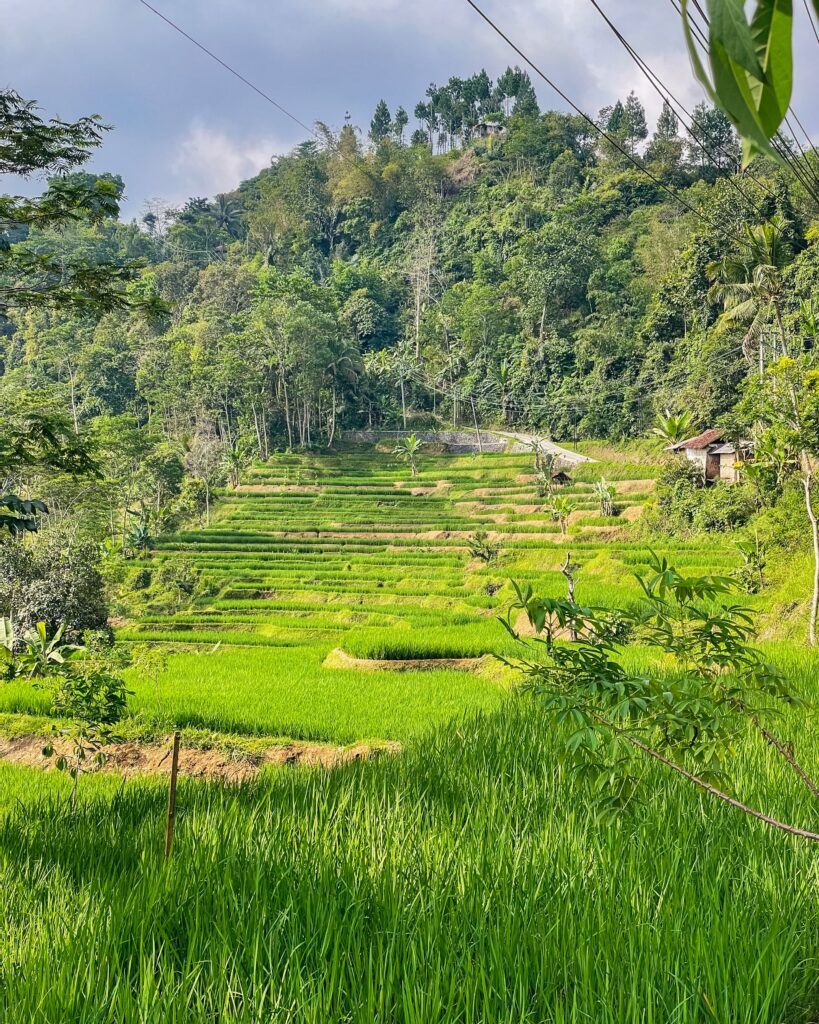
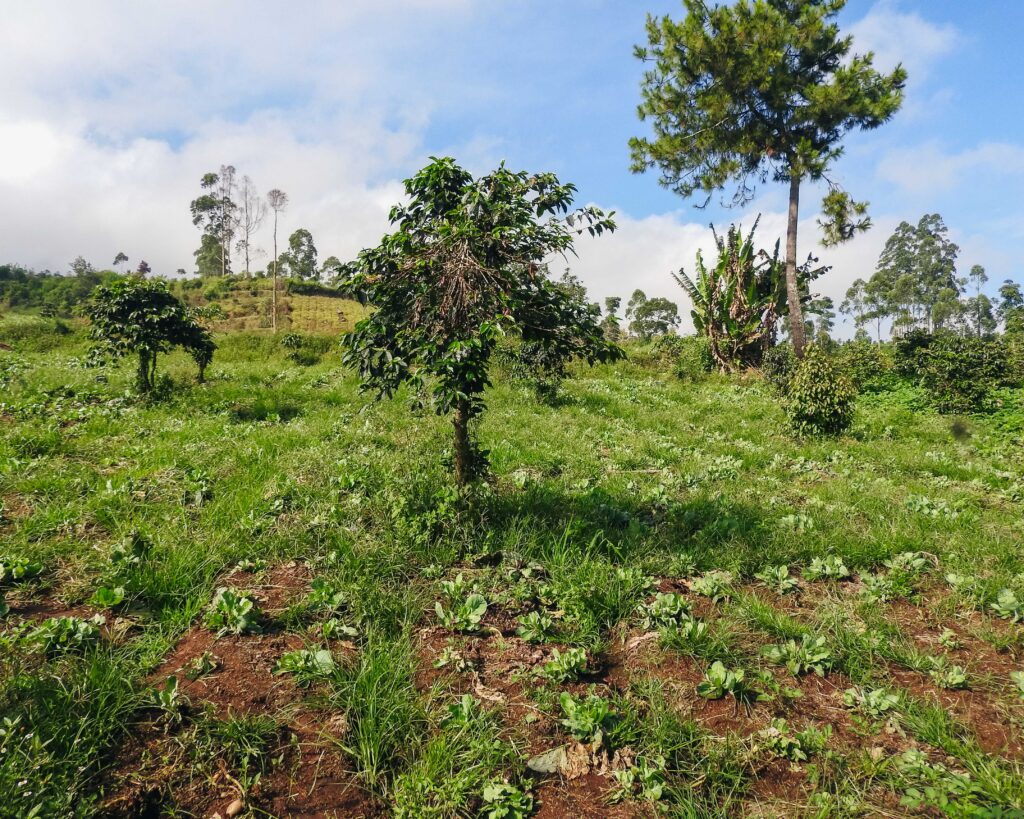
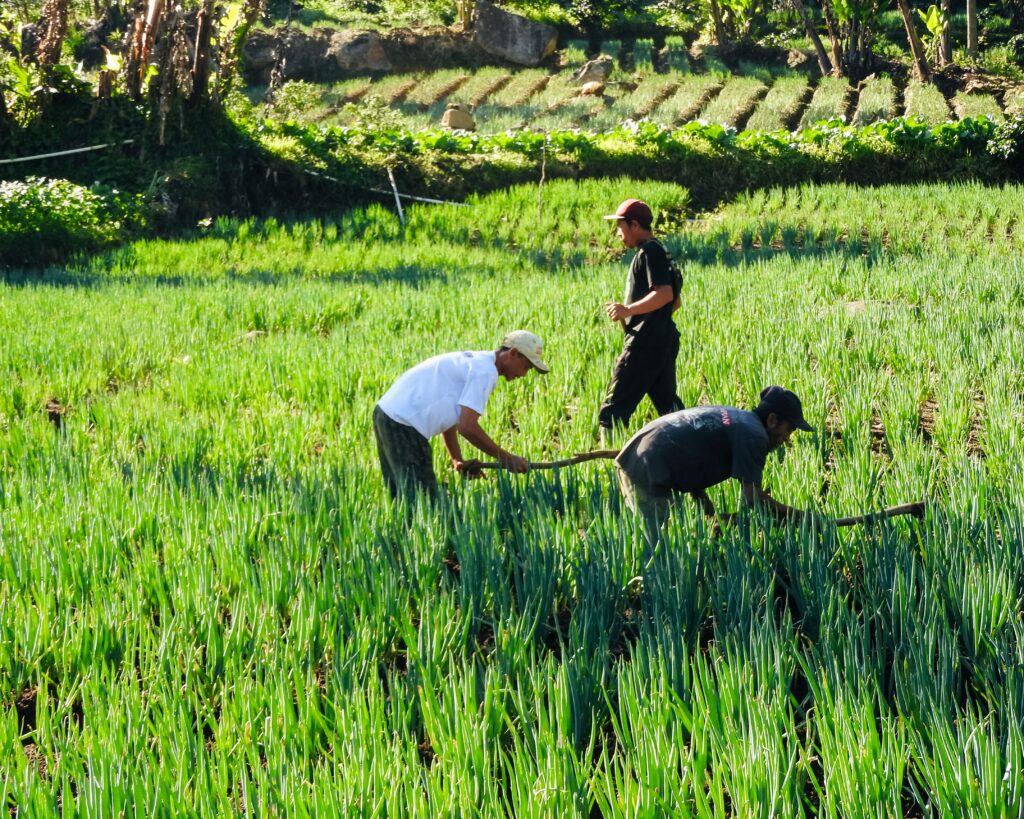
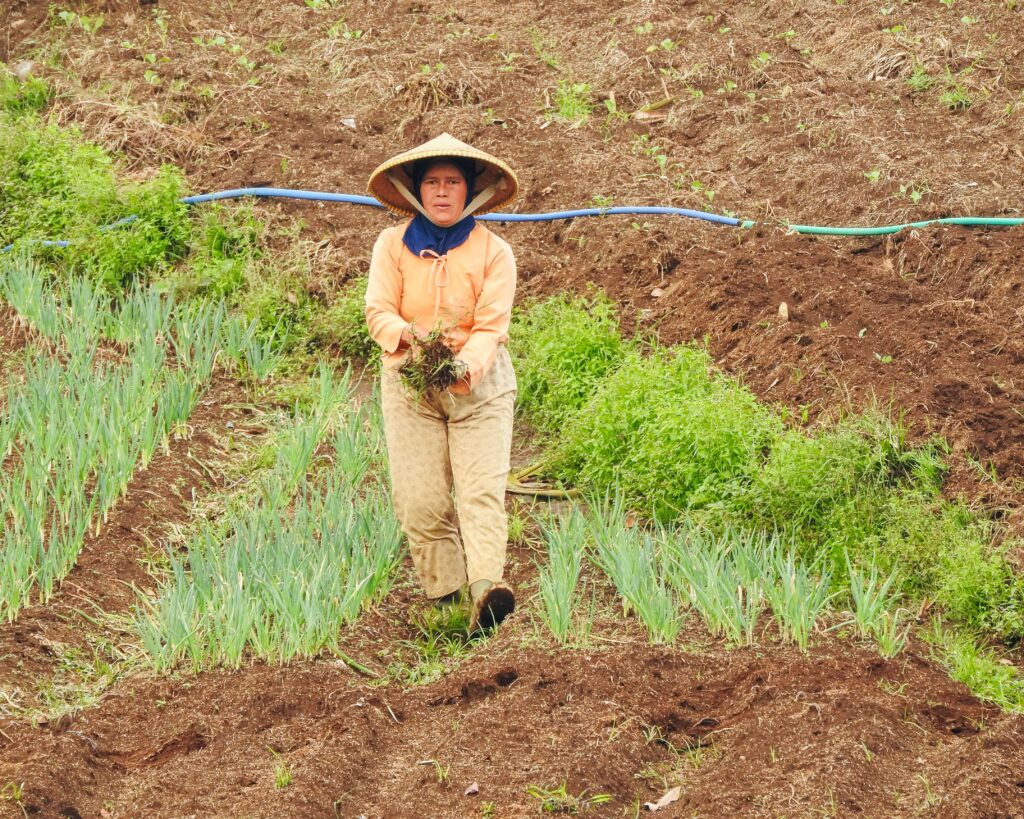
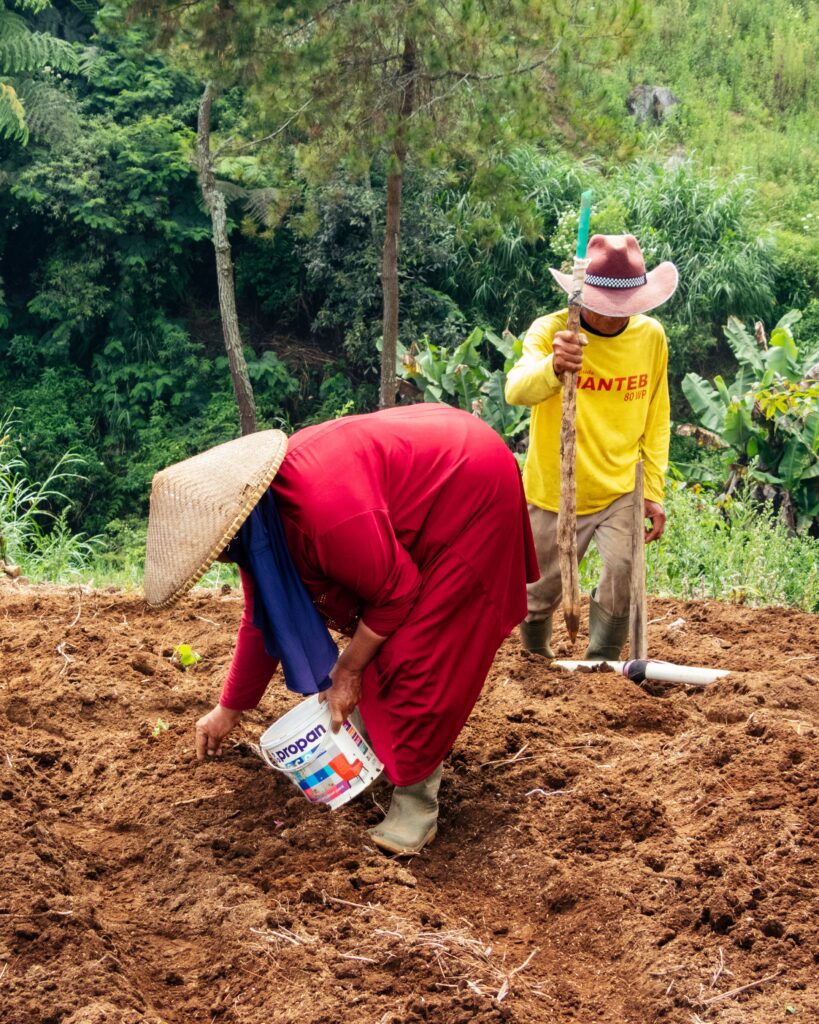
The FOLU NC West Java program focuses on increasing carbon stocks through the revitalization of traditional agroforestry based on cultural heritage. Agroforestry was chosen because it is capable of integrating trees, food crops, fruit trees, and spices, as well as community farming practices into a single productive and ecological land-use system.
This approach supports carbon sequestration, soil quality improvement, water conservation, erosion control, biodiversity enhancement, and the strengthening of the local economy through non-timber forest products and sustainable agricultural products.
Scope and Objectives
We believe that ecosystem restoration cannot be achieved simply by planting trees. Restoration must be built upon local knowledge, community participation, scientific data, continuous assistance, and cross-sector collaboration.
Therefore, this program utilizes several key approaches:
Cultural heritage-based agroforestry: Revitalizing traditional land management practices such as mixed gardens (kebun campuran), talun, productive home gardens (pekarangan), and multi-layered cropping systems that have long been part of West Javanese culture.
Living Lab and field schools: Establishing shared learning spaces at the site level so that communities, academics, students, government, and partners can engage in direct practice, observation, evaluation, and innovation.
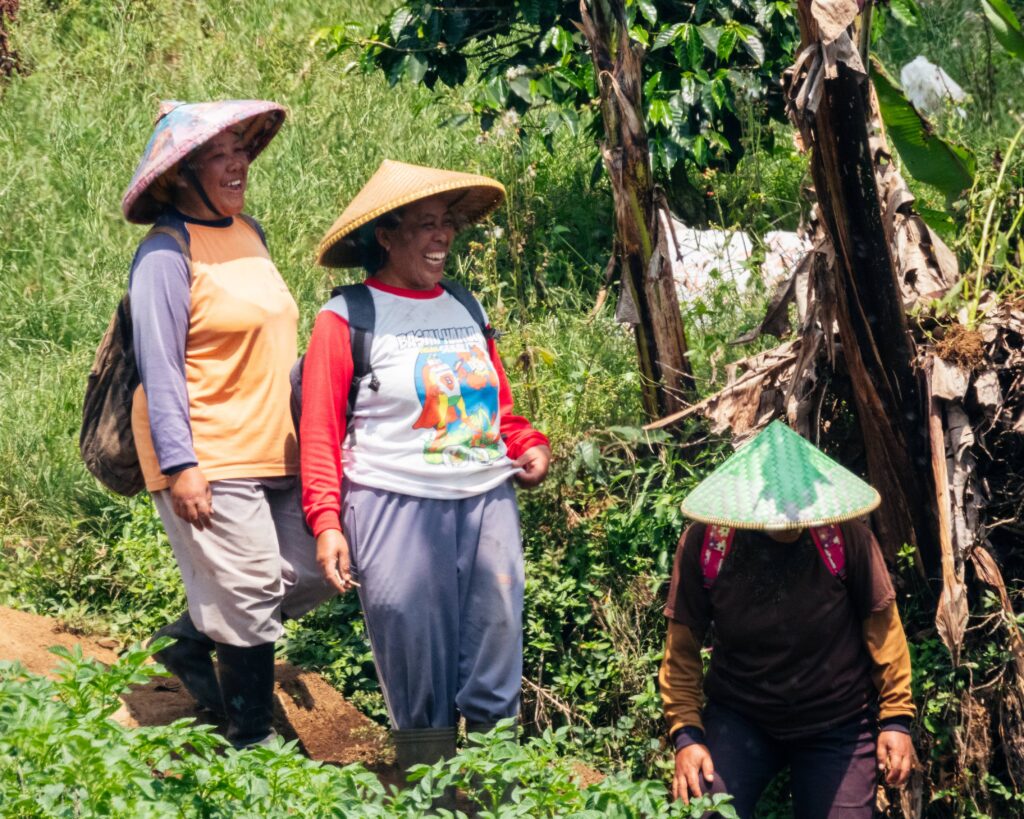
Community capacity building: Promoting technical training, assistance, business mentoring, awareness raising, and the strengthening of local institutions so that communities are able to manage land independently and sustainably.
FOLU West Java is a collaborative space to build a greener, more resilient, and sustainable future. By combining science, local wisdom, field action, and partnerships, we believe that ecosystem restoration can go hand in hand with improving community welfare.
Together with the community, the forest, and science, we are moving to support the achievement of FOLU Net Sink 2030.